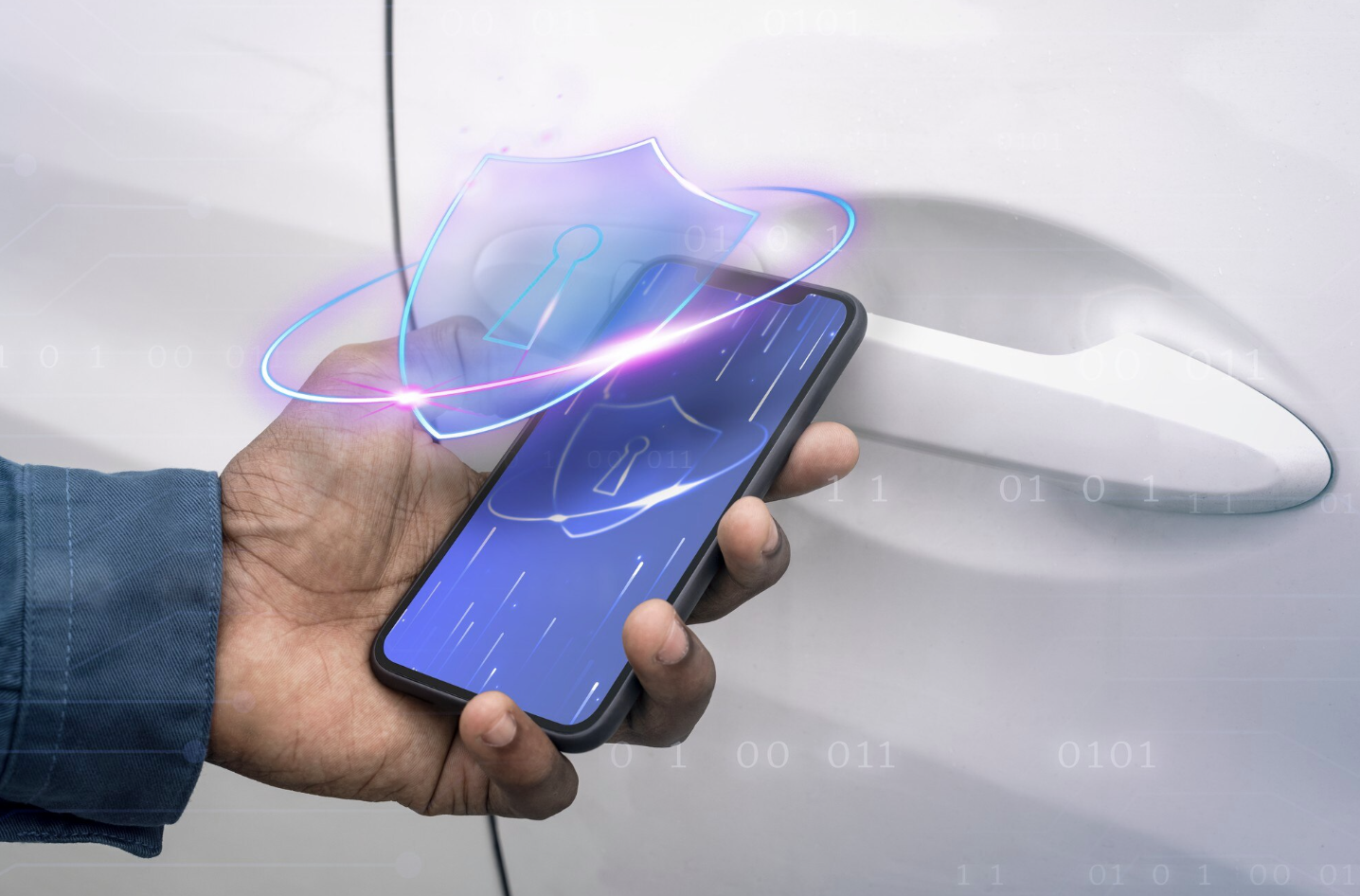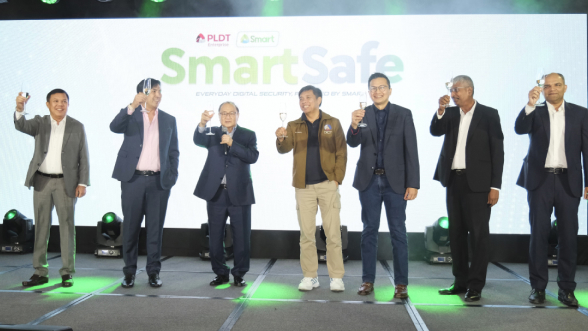








SmartSafe SilentAccess verifies your users in real time through Smart’s network, eliminating manual input and reducing risks like phishing and credential theft.
Requirements for Number Verification
Any of the following Valid Government-Issued IDs:
Any of the following:
* Non-PLDT Telco Bill is applicable only for Affordaboost Plan 2000 - 500 Mbps.
Discover how SmartSafe SilentAccess fits your business needs. Talk to our team today to find the right plan for you.
All our API calls are using TLS v1.2 – a security protocol that ensures encrypted and secure communication over the internet, protecting sensitive data from interception and tampering
We are not exposing any customer data from our side; It is a purely “Yes” or “No” response
We, together with our Data Privacy Office (DPO) are ensuring that the solution is compliant with existing regulations related to the Data Privacy of our Enterprise clients as well as their end users
As we are proudly GSMA certified for Number Verification API, it will be easily integrated to your ecosystem using the standard CAMARA API specifications

We can typically deliver the end-to-end Silent Authentication process within 5-7 seconds
We can accommodate specific customization requests, taking note that it might affect the interoperability and compliance of the solution
Yes, it will only work for Smart subscribers. It will be the Enterprise’s responsibility to only route Smart numbers to our platform
For the roadmap, We are working with other telcos to have an interconnect among our platforms moving forward
Reco: For non-Smart numbers, the Enterprise client may use OTP or other authentication mechanisms
If the mobile data is turned ON simultaneously, the Silent Authentication will work.
If only Wi-Fi is turned ON, it will not work.
Reco: For those instances, the Enterprise client may fallback to OTP or other authentication mechanisms
As it is enabled via SDK, this would only work for mobile applications
Reco: For transactions via web browser, the Enterprise client may use OTP or other authentication mechanisms
No; It would depend on the configuration of the mobile application
Reco: The Enterprise client has the responsibility to switch to other authentication mechanism of their preference